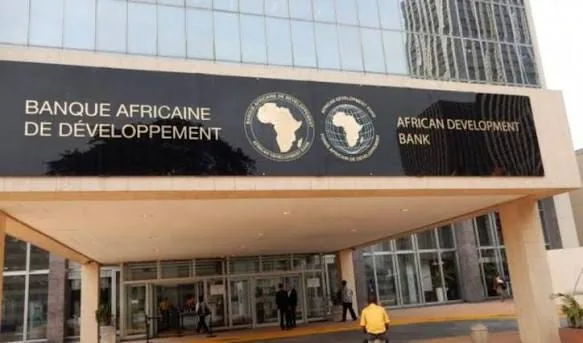
Since 2023, the African Development Bank (AfDB) has approved 833.8 billion FCFA for eight operations in Cameroon, representing 67.9% of a planned program of 1,227.5 billion FCFA. However, the bank’s active portfolio, valued at 1,629.2 billion FCFA, shows a disbursement rate of only 26%. Behind the announcements of record financing, the execution machinery still struggles to transform the committed billions into visible roads, energy, and jobs.
The figures are dizzying, but the reality on the ground demands a different interpretation. In three years, Cameroon has obtained AfDB approval for massive financing. A diplomatic and financial achievement that nevertheless masks a persistent weakness: the capacity to quickly absorb the available resources.
Read more Cameroon: more than 53 million F mobilized for the rehabilitation of the Bamenda regional hospital
The bank’s commitments to the country have increased by 30.8%, rising from 1,226.2 billion FCFA at the launch of the 2023-2028 Country Strategy Document to 1,603.6 billion FCFA in 2026. At the same time, annual access to AfDB window resources jumped by 57.1%, reaching 429.4 billion FCFA.
But approved money does not mean money used. Administrative delays, delays in signing agreements, difficulties related to the State’s counterpart funds, and delays in procurement procedures continue to slow project implementation.
The portfolio remains largely dominated by infrastructure. Transport captures 53.83% of financing, about 877 billion FCFA, while energy absorbs 22.32%, nearly 364 billion FCFA. These two sectors alone concentrate more than three-quarters of the resources.
Read more Investments: more than 10.8 billion FCFA injected into the Cameroonian economy
However, the AfDB notes an improvement: projects classified as red alert dropped from 48% to 26% between February and July 2026. A real progress, but insufficient to mask the main challenge: accelerating disbursements.
Cameroon already claims several achievements, including more than 570 kilometers of roads, the Nachtigal hydroelectric power plant (420 MW), and the distribution of 133,000 tons of fertilizer and improved seeds. But the real test remains to come: converting approved billions into delivered infrastructure and measurable economic results.
After obtaining financing, Yaoundé must now prove its ability to execute it. Because in the development battle, promised billions only count from the moment they produce effects.
Read more The usefulness of the Cameroonian Parliament for the nation questioned