Retail Digitalization: Omnichannel Strategies and AI to Transform Your Stores. Complete Guide to Digital Transformation in 2026.
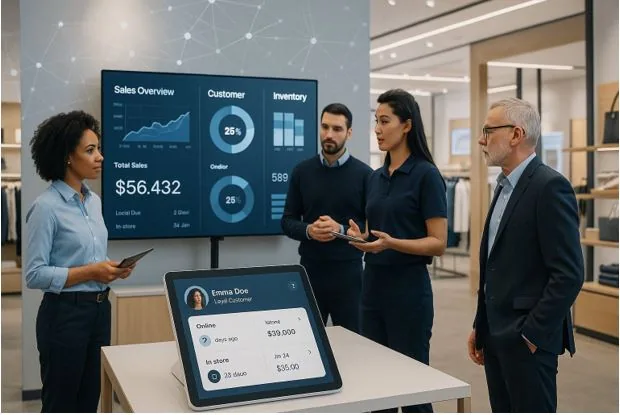
Digital transformation is no longer an option for retailers: it is a necessity. Over the past decade, we have witnessed radical changes in the retail sector. The widespread adoption of new technologies, evolving consumer behaviors, and the acceleration caused by the 2020 pandemic have forced brands to reinvent themselves. Today, we know that customers use an average of six touchpoints before making a purchase. To stay competitive, we must create seamless omnichannel experiences, integrate customer data, and leverage artificial intelligence. This guide explores how we can transform our approach to retail both online and offline. Also discover opportunities in the online sports betting sector to understand the challenges of cross-sector digitalization.
Read more Cameroon – IMF: the dialogue continues in the post-program era
Why Digitalization Has Become Essential for Retailers
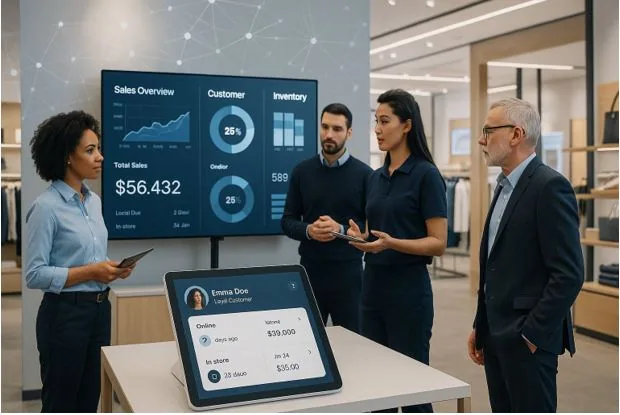
We face a simple reality: retailers who do not invest in digitalization lose ground to the competition. Today’s customers seek simplicity, consistency, and personalization at every interaction. According to the data we have compiled, multichannel customers spend four times more in-store and ten times more online than those who use a single channel. That is the power of omnichannel.
Digitalization also brings better data analysis, allowing us to better understand and anticipate our customers’ needs. It modernizes our technology, strengthens loyalty, and increases sales. It also reduces operational inefficiencies. This evolution also concerns the digital services sectors, where platforms like Quebec online casino illustrate the importance of an optimized user experience, accessible on different devices and based on personalized interactions. Digital transformation is not just about selling online: it is the seamless integration of physical and digital channels to create a coherent experience.
Key Technologies Revolutionizing Modern Retail
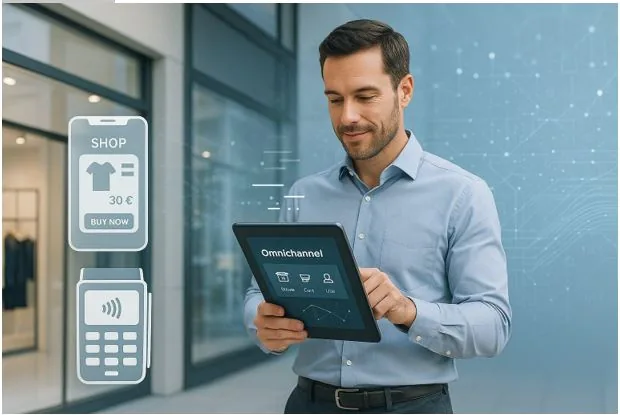
To transform our sector, we need powerful and flexible technologies. Modern solutions for stores must be able to quickly adapt to market changes. Among the most powerful tools are unified commerce, mobile applications, integrated payment systems, and composable architectures that centralize data and channels. Augmented reality and chatbots also enrich the shopping experience. What really matters is having the right technology in place to accelerate transformation and create a critical link between all elements of our operations.
E-Commerce and Omnichannel
Omnichannel commerce has become a standard expected by our customers. We must ensure continuity between the website, mobile app, and physical store. Click and collect, ship-from-store, and BOPIS solutions are maturing and offer strategic logistics solutions. Prices, product selection, and information must be consistent across all touchpoints. It is this synchronization that creates a smooth shopping experience and allows us to remain relevant in a constantly evolving market.
Read more ID-DAY 2026: BUNEC wants to register September 16 on the national calendar
Artificial Intelligence and Personalization
AI is transforming the way we serve our customers. We use it to generate personalized recommendations, forecast demand, and automate customer service. Personalization is evolving towards a predictive and hyper-personalized logic based on unified data. In-store, we synchronize inventory, customer histories, and prices to offer a truly tailored experience. This not only generates basic satisfaction: it creates a differentiated experience that strengthens loyalty and conversion.
Challenges and Opportunities of Digital Transformation
Digital transformation can be a costly operation in terms of time and money. We must overcome challenges: system integration, unifying customer data, inventory management, and risk control related to AI tools. Resistance to change is also a major issue that we must manage with our teams. However, the opportunities are enormous. We see better conversion, increased logistical optimization, and more automated customer service. Our employees benefit from tools that allow them to maximize their impact and make more relevant decisions through real-time analysis. Retailers who adopt this approach position themselves for long-term success and offer sustainable growth through technology.
Conclusion
Retail digitalization today represents an essential lever to meet new consumer expectations and build more connected experiences. Brands capable of effectively integrating omnichannel, artificial intelligence, and data analysis will better anticipate their customers’ needs. This transformation is not just about adopting new technologies but rethinking the entire purchase journey to create more value. In the future, retail players who can combine innovation, personalization, and operational efficiency will have a lasting advantage in a constantly evolving market.
Read more Cultural heritage: the Tupuri aim for UNESCO with the Feo Kague