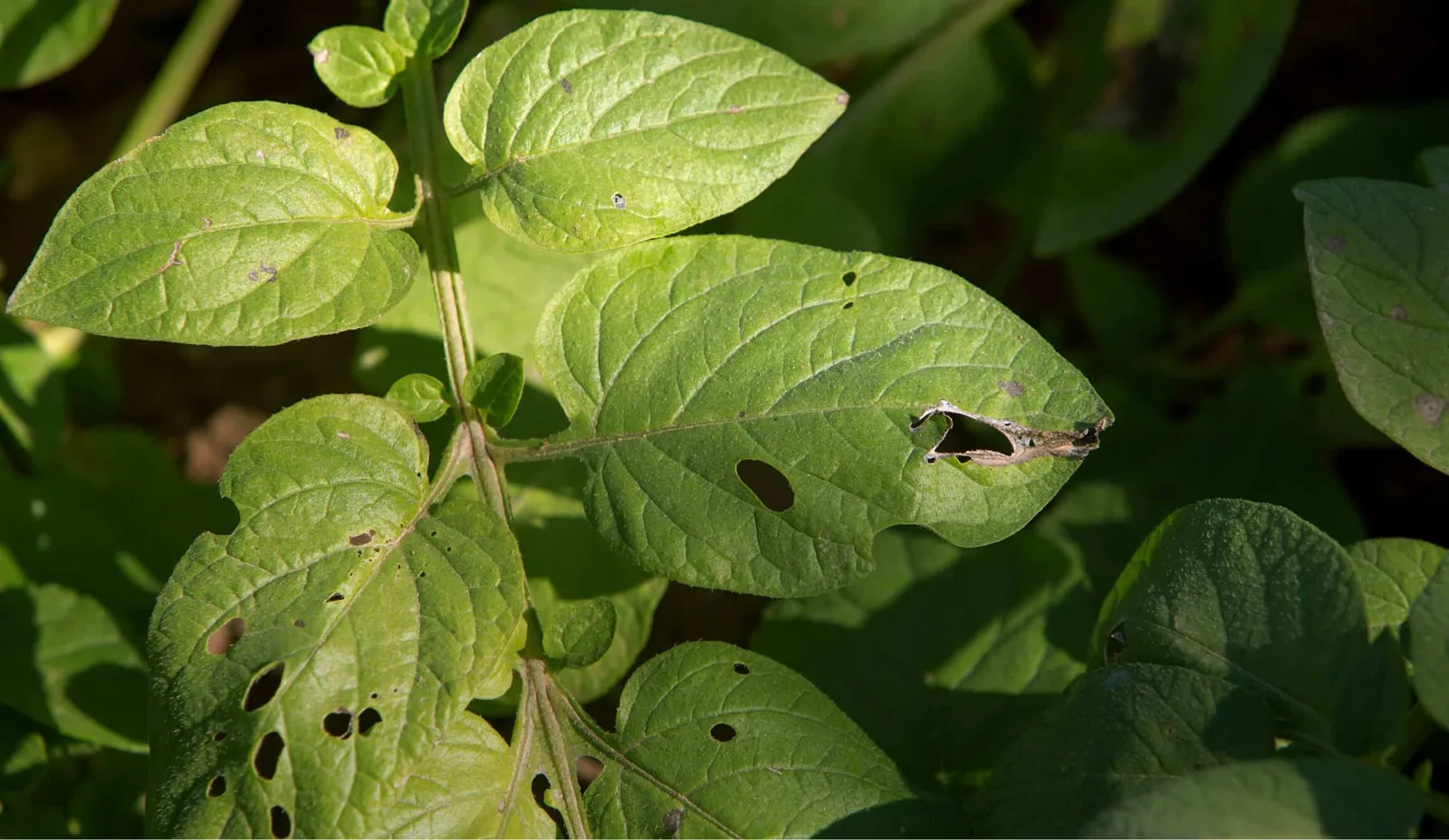
On the occasion of the 5th edition of the International Plant Health Day celebrated on Tuesday, May 12, 2026, the country reaffirms its commitment to food security and agricultural development.
Under the theme “Plant biosecurity in the service of food security,” this celebration brought together authorities, agricultural experts, and international partners around a shared observation: agricultural losses caused by pests continue to weaken African economies. In Cameroon, where agriculture remains a strategic sector for employment and household income, specialists warn of the urgent need to strengthen phytosanitary prevention and protection mechanisms.
Read more Cameroon: the new FECAFOOT headquarters operational
According to data recalled by the African Plant Health Council, nearly 40% of the world’s food crops are destroyed each year by pests and plant diseases, resulting in approximately 200 billion dollars in economic losses. This situation is worsened by climate change, increased trade intensification, and greater population mobility.
In response to this threat, Cameroonian authorities and their partners intend to multiply initiatives to protect crops and strengthen producers’ resilience. The fight against scourges such as the fall armyworm or the desert locust is now considered a priority to preserve national agricultural production.
Read more Higher Education: Towards a Harmonization of Professional Programs in State Universities
The African Union, through Dr. Saliou Niassy, declares itself fully committed to supporting member states in strengthening their phytosanitary capacities, in accordance with the African phytosanitary strategy launched in July 2024. The organization presents effective phytosanitary systems as essential to protect agricultural production and food systems, facilitate trade, support access to international markets, preserve biodiversity and natural resources, reduce poverty, and strengthen the resilience of rural communities. “Today, preserving biodiversity is a necessity,” says the African Union’s resident representative.
Dr. Antonio Querido, FAO representative in Cameroon, reiterated the organization’s commitment by stating that without strong plant health protection, it is impossible to have a food system that can feed everyone. For him, it is essential to work so that plants remain healthy, for the benefit of populations but also for the development of Cameroon’s food system. “It is crucial that farmers know what to do when faced with a pest or a particular disease,” supports the UN official.
Read more Africa Forward: Guterres calls for a re-foundation of the partnership with Africa