The project stands out as a strategic lever for the economic inclusion of women through intensive workshops and the revitalization of a hundred cooperatives; it consolidates the territorial anchoring of the SSE in Cameroon.
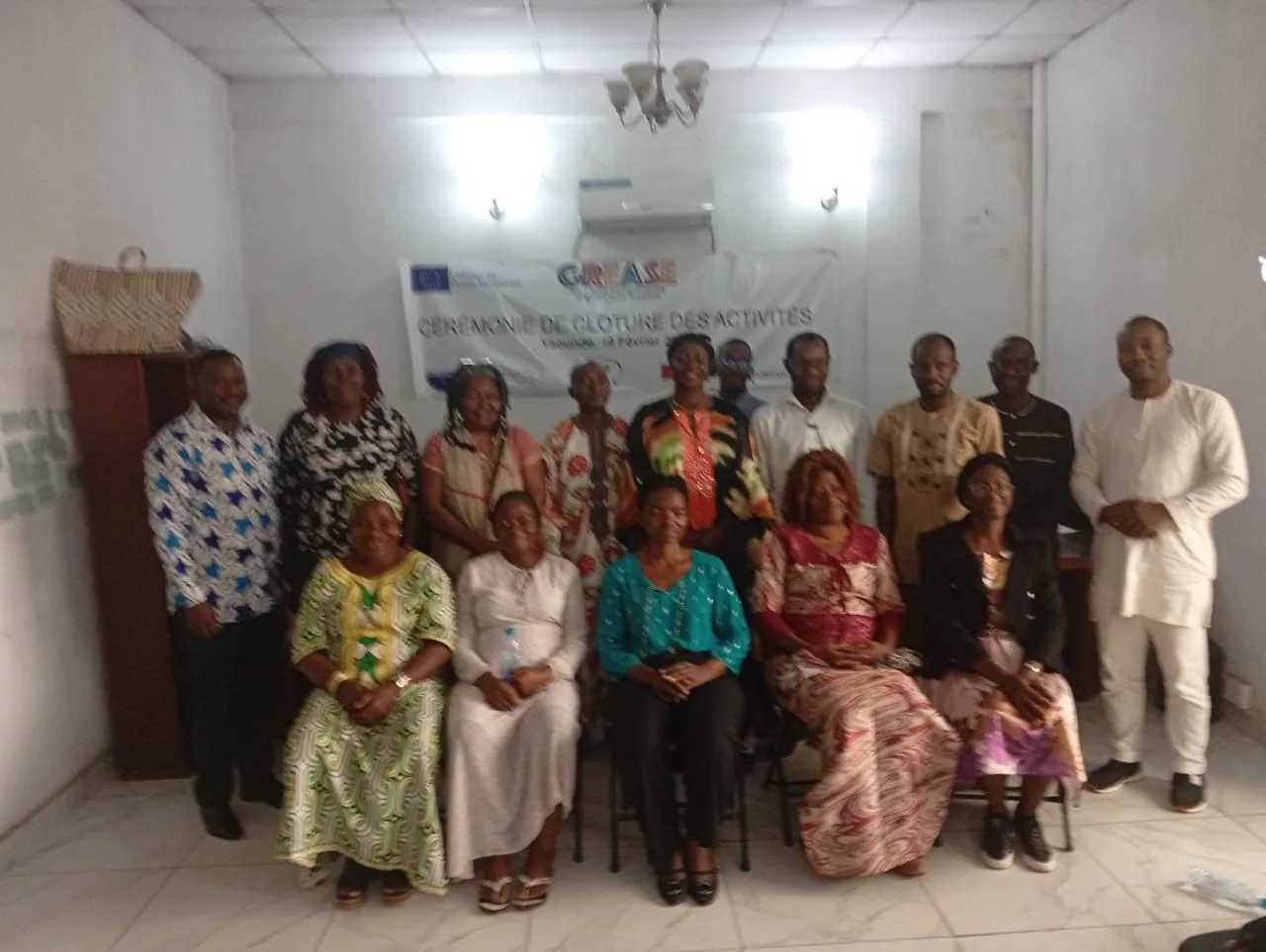
The Green Rural Entrepreneurship in African Social Ecosystem project hosted the project’s closing workshop on February 20, 2026, an initiative hailed as a model of cooperation between Cameroon and Europe.
Read more University of Maroua: the doctorate at the heart of a controversy
Launched in an international context marked by the promotion of green social entrepreneurship and women’s empowerment, the GREASE project (Green Social Entrepreneurship in Rural Areas for Sustainable Empowerment) places rural women at the heart of the social and solidarity economy (SSE). It aims to build an inclusive, green, and sustainable economy, while supporting the dual ecological and social transition.
Aligned with Cameroon’s National Development Strategy 2020-2030, GREASE draws on best practices identified in Europe, the Western Balkans, and Africa. It contributes to strengthening local capacities through cooperative and solidarity models, promoting the sustainable integration of women into the labor market. The organization of the African Forum on Social and Solidarity Economy (FORA SSE) in Yaoundé further illustrates this anchoring in local and continental dynamics.
The overall objective of the project is clear: to encourage green social entrepreneurship in rural areas, guarantee women’s economic empowerment, and promote an equitable transition. Concretely, GREASE has strengthened the entrepreneurial, digital, and ecological skills of the beneficiaries, while stimulating the creation of sustainable jobs in the SSE sector.
Among the main results are the development of a brochure on local policies and best practices from Cameroon and Europe, as well as the organization of a vast awareness campaign. Two training sessions also brought together 25 SSE trainers, tasked with spreading the knowledge gained across different regions of French-speaking Africa.
Read more Cameroon: Maurice Kamto demands the immediate release of Anicet Ekane’s remains
In Cameroon, nearly 500 rural women, grouped within local networks, benefited from training on cooperative management and green entrepreneurship techniques. Five intensive ten-day workshops were organized to consolidate their skills. Approximately 100 cooperatives, specializing in sectors such as macabo, banana, cocoa, corn, cassava, or fish farming, were revitalized and better anchored in their territories.
Coordinated by Pauline Effa, the PFAC thus confirms its role as a key player in co-development and the promotion of sustainable agricultural initiatives. The closing workshop was a time for assessment, but above all, a step toward the sustainability of the GREASE project’s achievements for the benefit of Cameroonian rural communities.
Read more Cameroon: launch of the Peter Essoka Prize for Excellence in Journalism