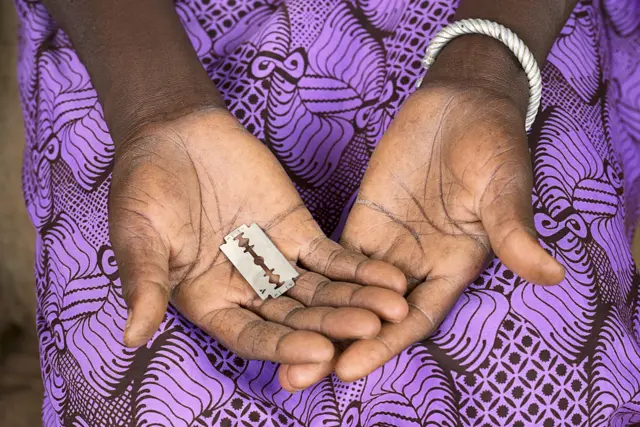
The figure was made public by the World Health Organization on the occasion of the celebration of the International Day of Zero Tolerance for Female Genital Mutilation.
Globally, the number of girls at risk of female genital mutilation remains alarming. The World Health Organization estimates that 4.5 million girls are exposed to this phenomenon, many of whom are under five years old. The organization also specifies that today, more than 230 million girls and women live with the consequences of this practice, which is harmful to women’s health. Female genital mutilation is a dangerous practice and a violation of human rights. It can lead to serious physical and mental health problems, the management of which can cost up to 1.4 billion dollars, or approximately 778.9 billion CFA francs.
Read also: Cameroon: Minister Mbarga Atangana inaugurates the KKUMAYAS shopping center in Yaoundé
The fight against this practice worldwide, which has been ongoing for years, is nevertheless bearing fruit. The number of girls affected has decreased from 1 in 2 to 1 in 3 in the last decade. Furthermore, according to the WHO, every dollar invested in the fight against FGM yields another 10 in terms of prevention benefits.
Cameroon, which is concerned by this phenomenon, is also celebrating the 19th edition of the International Day of Zero Tolerance for Female Genital Mutilation on February 6th. The discussions and work related to this theme revolve around “Investing in girls and communities for a future without female genital mutilation.”
The fight against this “silent cruelty” is based on the levers of education, which can break down traditional barriers, as well as the strict application of the provisions of the Penal Code, a law that provides for and punishes this practice. However, among the causes that perpetuate the harm is the porous nature of the borders, which facilitates the entry and exit of individuals who may go to practice mutilation elsewhere and return to the country, noted the Minister for the Promotion of Women and the Family, Marie Thérèse Abena Ondoa, in an interview granted to national radio and broadcast on February 6th.
Read also: Chad: Launch of the 2026 Humanitarian Response Plan and Refugee Response Plan