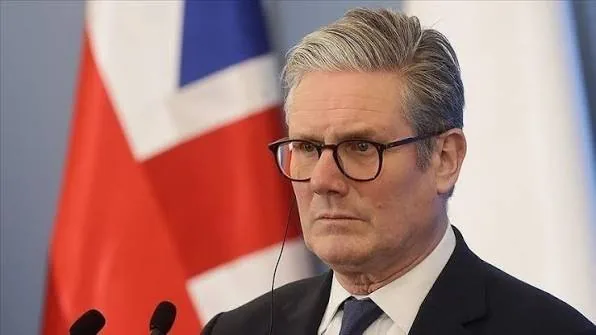
The British government has announced the suspension of study visas for four nationalities, including Cameroonians, citing “abuses” related to asylum applications. A decision that is causing deep concern in Cameroon, where many students see the United Kingdom as a gateway to international higher education.
The axe will fall on March 26. The Labour government led by Keir Starmer has decided to no longer issue study visas to nationals of Afghanistan, Cameroon, Myanmar, and Sudan. Some work visas are also suspended for Afghans. According to the Home Office, the reason is a sharp increase in asylum applications filed by people who entered legally with these residence permits.
Home Secretary Shabana Mahmood spoke of an “unprecedented” decision intended to protect the integrity of the British migration system. Figures put forward by London show a 470% increase in asylum applications from students originating from the four countries concerned between 2021 and 2025.
In Cameroon, this announcement comes as a heavy blow. Every year, hundreds of young Cameroonians head to British universities, attracted by their academic reputation and professional prospects. Between September 2024 and September 2025, 2,900 study visas were granted to nationals of the targeted countries, against 1,210 asylum applications filed by holders of these visas.
Read more Abduction and arbitrary detention: Prof. Jean Calvin Aba’a Oyono demands 3 billion F in compensation
London justifies this tightening by a cost deemed excessive: more than 4 billion pounds sterling per year for the care of asylum seekers, including 16,000 from the four targeted nationalities. This measure is part of a broader hardening of British migration policy, marked by asylum reform and the reduction of the initial duration of refugee status to 30 months renewable.
For Yaoundé, the stakes are twofold: to preserve the academic opportunities of its youth and to avoid being permanently associated with the “abuses” denounced by London. In a context of increased international mobility, this decision risks fueling the debate on legal migration routes and the shared responsibility between countries of origin and host countries.
Read more Cameroon: David Imbeng, the mayor of Makénéné, is no more