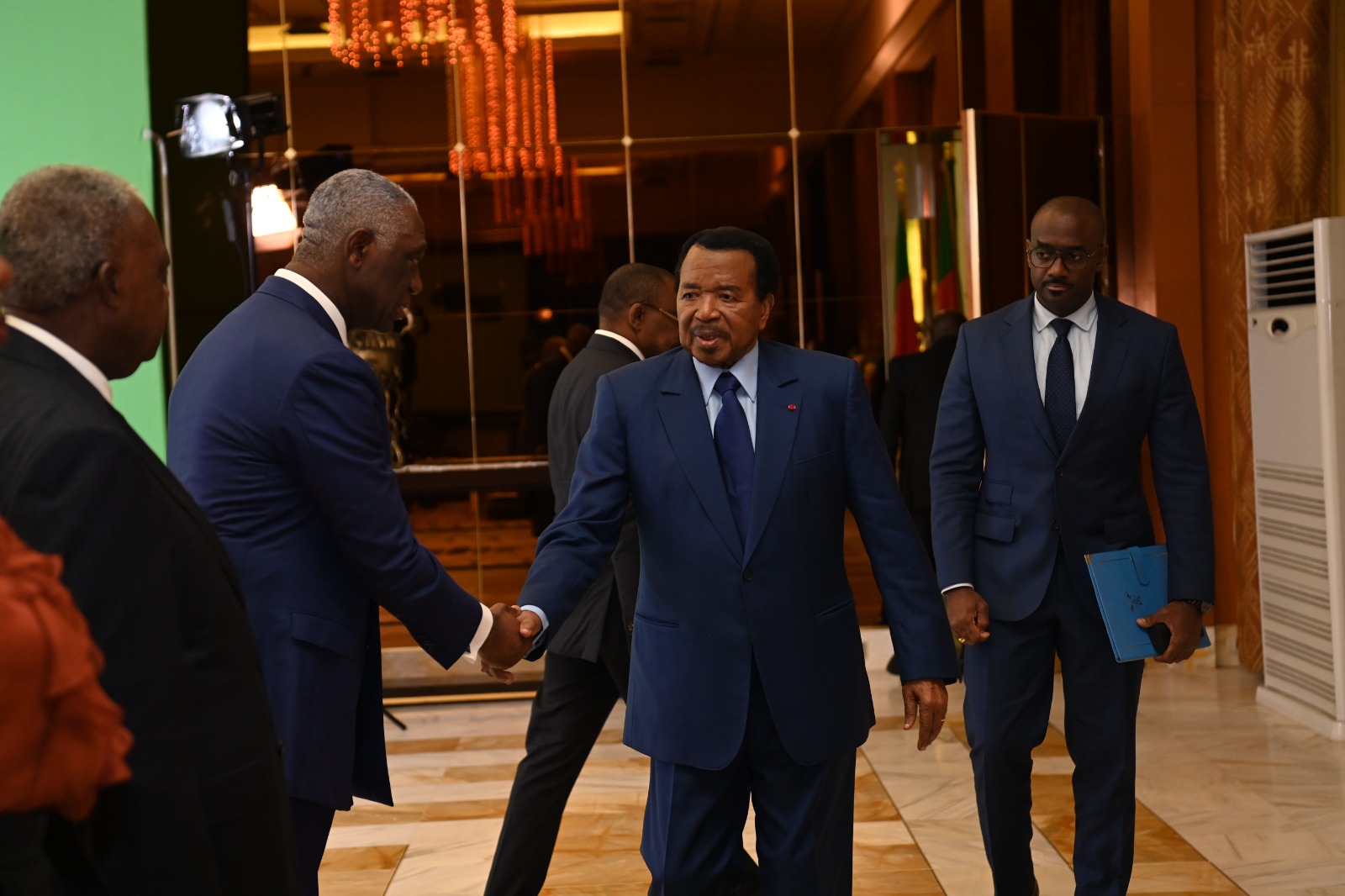
In his message to the youth on February 10, 2026, on the eve of the February 11 celebration, President Paul Biya promised to “give pride of place to young people” in the next government and at the head of state-owned companies. An announcement that revives the debate on the renewal of elites after more than four decades in power.
The presidential commitment is already generating mixed reactions. RDPC municipal councilor for the municipality of Nkolmetet (Nyong-et-So’o), Pinon Omgba, first calls for clarification of the terms. “There is a nuance between rejuvenating the government and appointing young people. Appointing someone aged 60 to replace a 70-year-old official is not promoting youth, it is simply rejuvenating,” he states.
For him, the February 10 message seems to target those under 35. But he wonders: “Since he came to supreme power, how many young people under 35 has he entrusted with important responsibilities? Is he capable of reversing the trend after 43 years of reign?” Dubious, the local elected official says he is “waiting to see.”
Beyond skepticism, Pinon Omgba insists on the existence of a competent pool: “There are competent young people in Cameroon, in all fields and from all regions.” According to him, these profiles are hindered by “a system that refuses to adapt” and by networks of influence that neutralize human resource management tools. He fears that the upcoming appointments will be dictated by “the networks vying for succession,” rather than by merit.
He advocates for rigorous monitoring of the ethical, social, and professional trajectories of applicants and warns against “the reproduction of the current elite through the promotion of their family members.” In his view, avoiding nepotism would be a strong signal to put young people “back to work in the hope of earning the nation’s recognition.”
Read also: Cameroon: Me Claude Assira expresses his disappointment to President Paul Biya
As a journalist, Edgard Effoudou Abate places the debate back on institutional ground. “We are in a model of discretionary appointment, a black box whose functioning cannot be understood. We know the inputs, for example, the data from the State Human Resources Observatory, and the outputs, the appointment decrees. But only the one who appoints knows how the decisions are made,” he analyzes.
He proposes a path: drawing inspiration from the calls for applications experienced at CRTV under Amadou Vamoulké. “The President could select, from a shortlist, profiles under 50 years old, interview them, and set performance objectives. After three years, a clear evaluation would allow for the renewal or dismissal of officials.”
Read also: Cameroon: Paul Mahel joins MP3 to win the mayoralty of Dibamba
Between political promise and demand for structural reform, the ball is now in the head of state’s court. The next appointments will tell whether the announced opening marks a real generational shift or is part of the system’s continuity.
Read also: Youth Week: understanding the difference between young deputies and junior deputies in Cameroon