Revealed by the New York Times, a 30 million dollar transaction between Washington and Yaoundé fuels controversy: has Cameroon monetized the hosting of migrants deported by the United States?
According to information relayed by VoxAfrica, based on an investigation by The New York Times, the United States reportedly paid nearly 30 million dollars to Cameroon as part of a discreet agreement regarding the hosting of deported migrants with no nationality link to the country.
Officially, this funding, released in January 2025, was intended to strengthen refugee hosting capacities. But behind this justification, a completely different reality emerges. The operation is reportedly part of a broader policy of migration outsourcing, attributed to the Donald Trump administration, consisting of transferring the management of certain migration flows deemed undesirable outside of American territory.
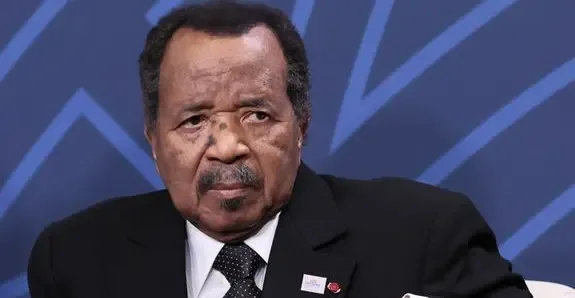
Still according to the published elements, President Paul Biya reportedly initially expressed reluctance regarding this sensitive agreement, before finally giving the green light. A decision that raises questions, both about its motivations and its diplomatic and ethical implications.
On the ground, the reality is already tangible. The NGO Human Rights Watch claims that at least 17 migrants, originating from various African countries, have been transferred to Cameroon. None of them are reportedly Cameroonian, which reinforces criticism of the country’s role in this mechanism.
These revelations have triggered a wave of indignation within public opinion. The political opposition and several civil society organizations denounce an opaque agreement, concluded without debate or prior information. For many, it is an attack on national sovereignty and a worrying precedent.
To date, the Cameroonian authorities maintain a silence that further fuels speculation. In the absence of official communication, gray areas persist, leaving the public facing a central question: at what price can a state accept becoming a host land by proxy?
Read more Cameroon: Samuel Iyodi Hiram challenges the legitimacy of the announced institutional reforms