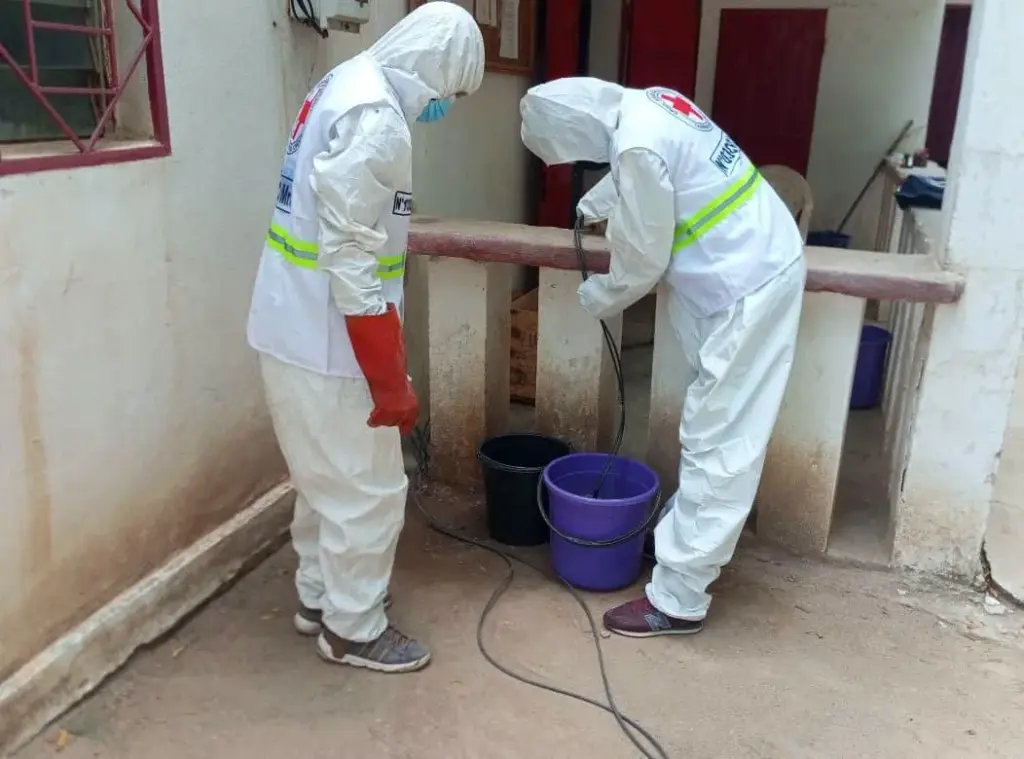
Administrative and health authorities, along with their partners, are stepping up response actions against the epidemic. But the disease is still progressing.
The populations and authorities of the Far North region are on alert due to the cholera epidemic gaining ground. As of July 23, 2026, the number of reported cases is 584 and 19 deaths related to the disease. According to local health authorities, the epidemic is raging in seven out of the region’s 37 health districts. Given the increasing number of cases between June and July, administrative and health authorities, as well as technical and financial partners, are readjusting their response strategy.
Read more PAD : Douala Mooring Company distributes 25 million FCFA in dividends
During a strategic meeting held on July 23 at the governor’s office in the region, they focused on the difficulties encountered on the ground and in health facilities regarding the implementation of the disease response plan. Identifying these problems will allow all involved actors to strengthen the epidemic management system with a response plan adapted to the current reality of the epidemic.
On the ground, administrative authorities are conducting prevention campaigns. The sub-prefect of the Maroua 1st district, Denis Atkalaï, has just led an awareness campaign in several neighborhoods of his command territory. Accompanied by health services and youth support structures, he conveyed the message of cholera prevention through the application of hygiene measures. For the administrative authority, the “Clean Thursday” operation should serve as a framework for the population to intensify the application of hygiene and sanitation measures. His visit allowed him to invite the residents of Maroua to eliminate stagnant water, properly manage waste, and regularly wash hands and food.
Read more South-West: the government strengthens disaster prevention in the mangroves of Limbe and Tiko
The regional transport delegation supports the ongoing general prevention campaign through visits to bus stations. The goal is to enforce hygiene measures such as vehicle disinfection, latrine maintenance, and the elimination of stagnant water, among others.
Beyond these response measures during the epidemic, prevention also involves addressing issues of drinking water, healthy food in general, and access to health services. Better management of rainy seasons would help reduce the risks of cholera contamination.
Read more Cameroon-Morocco Cooperation: Minepia and Rabat open new partnership avenues