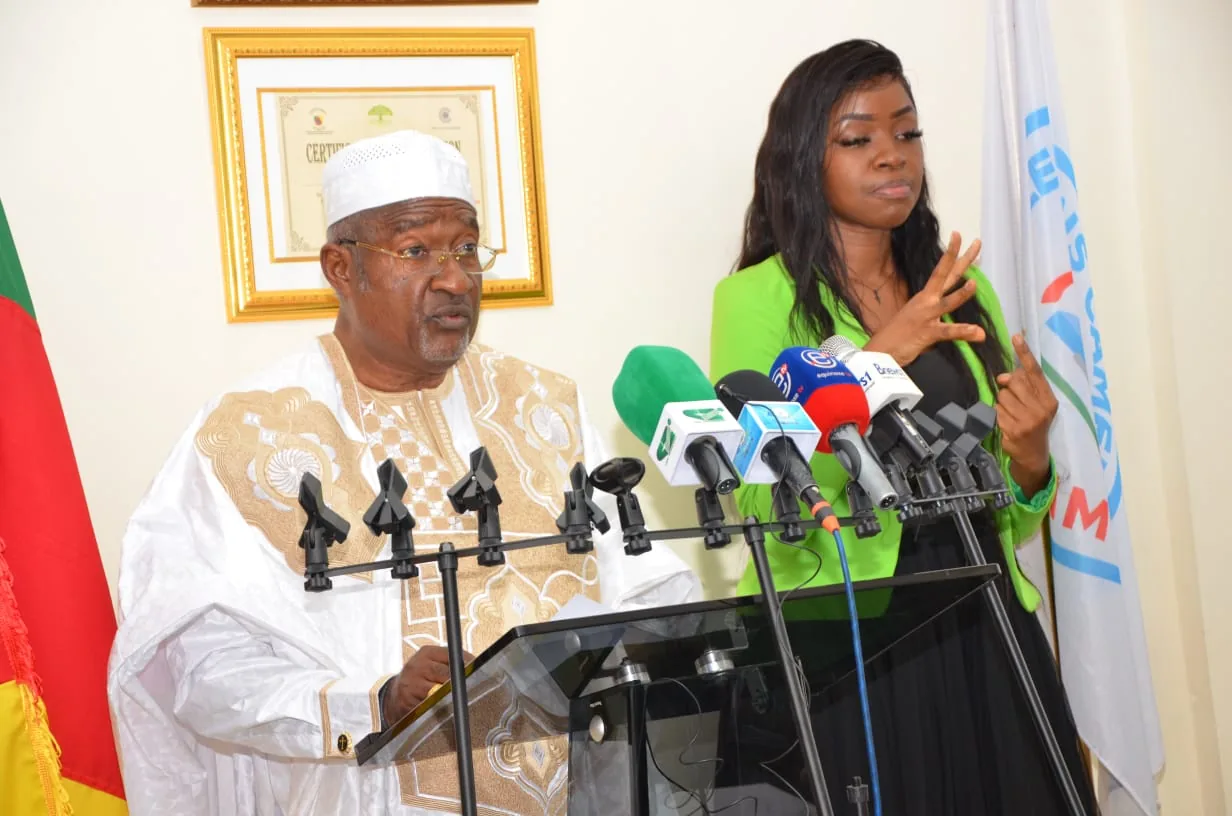
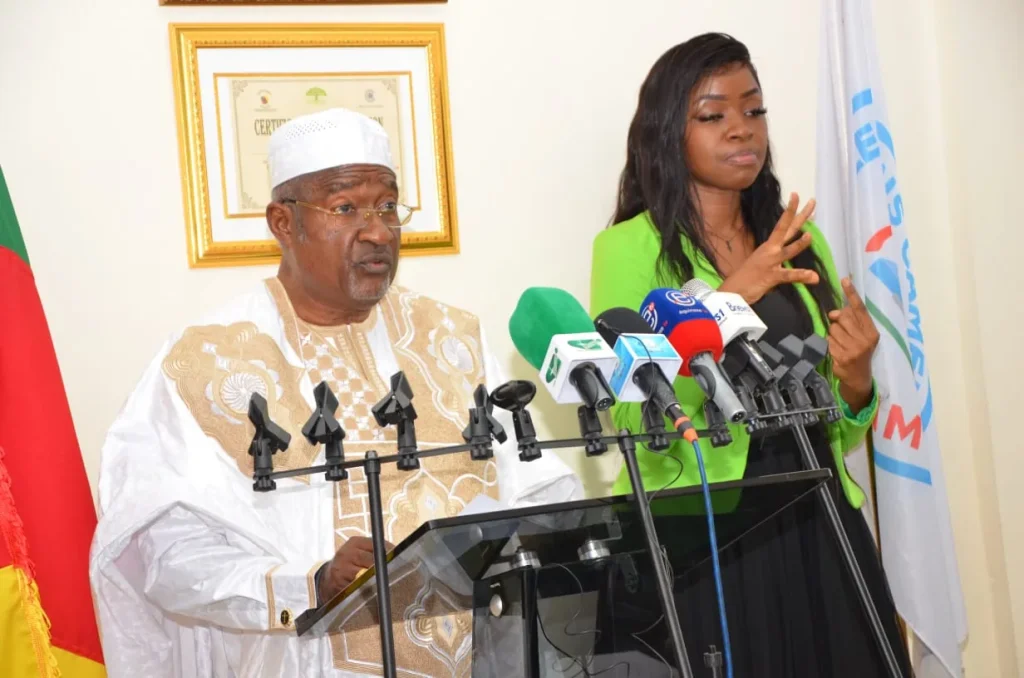
At the opening of the first ordinary session of the Electoral Council on March 25, 2026, its president set a clear course: strengthen the achievements of 2025, correct the gaps and prepare credible elections, while evoking a possible reorganization of the electoral calendar.
Meeting in session in Yaoundé, the Electoral Council of Elections Cameroon (Elecam) placed the year 2026 under the sign of rigor and adaptation. In his opening address, the president of the Electoral Council emphasized the strategic importance of this pivotal period of the electoral cycle.
“The year 2026 is decisive,” he affirmed, recalling that the institution must “consolidate the achievements, correct the shortcomings and rigorously prepare the next elections,” particularly municipal and legislative elections. In a context marked by the ongoing examination of certain legislative provisions, he also evoked a possible adjustment of the electoral calendar. “Any eventual modification will be carried out in compliance with current regulations,” he assured, emphasizing the requirement for transparency and reliability.
On the operational level, Elecam intends to capitalize on the lessons from previous elections to improve organization, strengthen the training of electoral personnel and stimulate citizen participation. The first trends in voter registration show an encouraging dynamic, with 69,844 new voters registered, bringing the total to over 8 million. A progression that the president attributes to “the renewed confidence of citizens.”
This mobilization must nevertheless be amplified, particularly among young people, women and vulnerable groups. The president praised “the constant commitment of operational teams” as well as the collaboration of political parties, civil society and traditional authorities.
Furthermore, Elecam is strengthening its international partnerships with the United Nations, the International Organization of the Francophonie, the Commonwealth and the African Union. These cooperations aim to align national practices with international standards and consolidate the credibility of the electoral process. The 2025-2027 electoral assistance project, whose implementation shows a level of execution deemed satisfactory, constitutes a major lever in this regard.
In conclusion, the president of the Electoral Council was resolutely optimistic: “Our duty is clear: guarantee credible elections, promote social peace and contribute to the democratic influence of our country.” A commitment that, according to him, must guide all stakeholders in a year announced as one of consolidation and innovation.
Read more Yaoundé 6th: alternating traffic on the Mvog Betsi–MEEC axis due to construction work