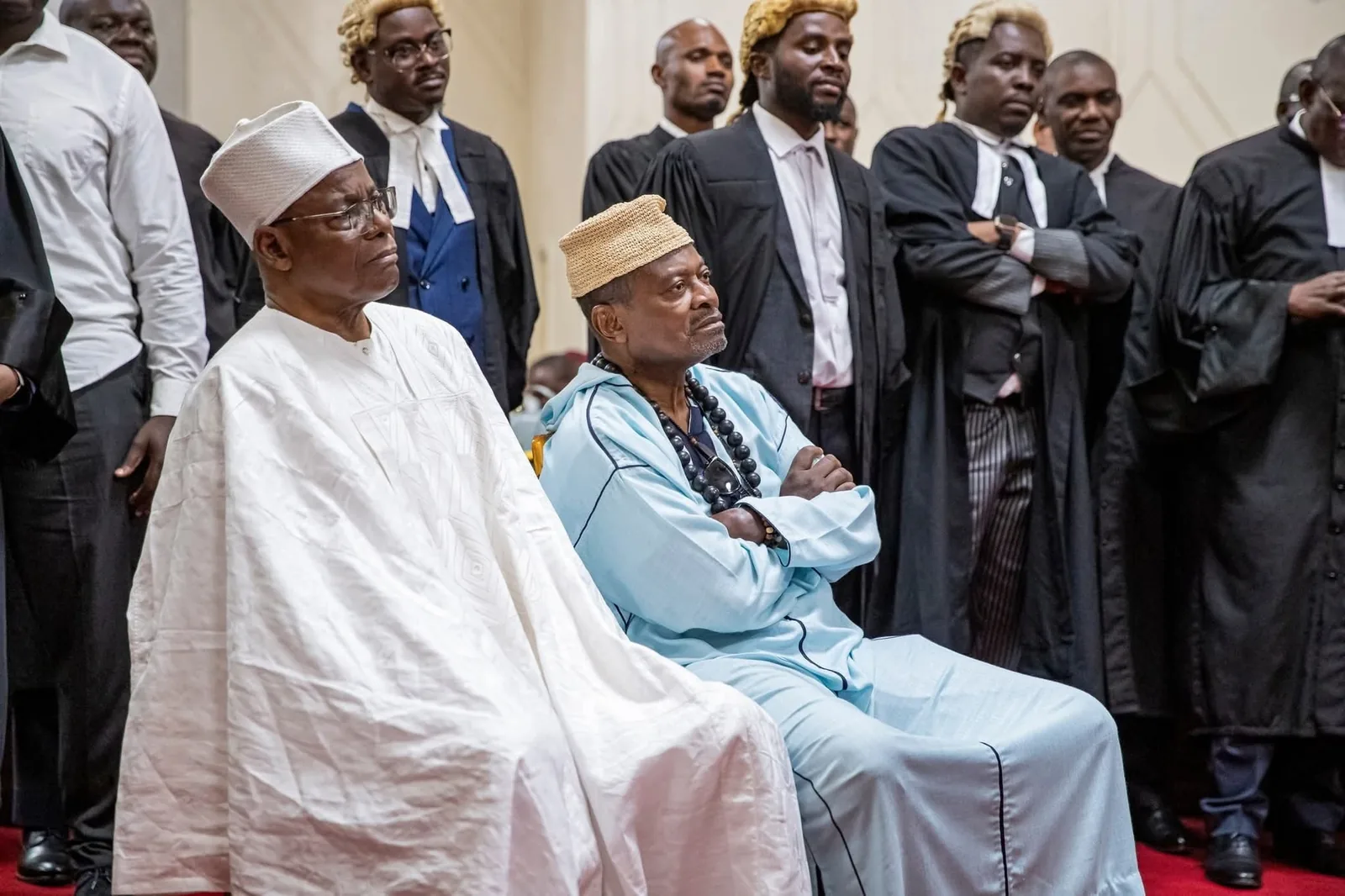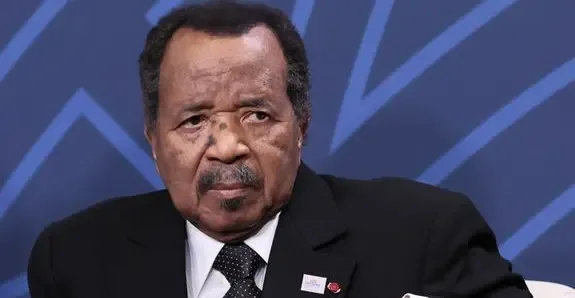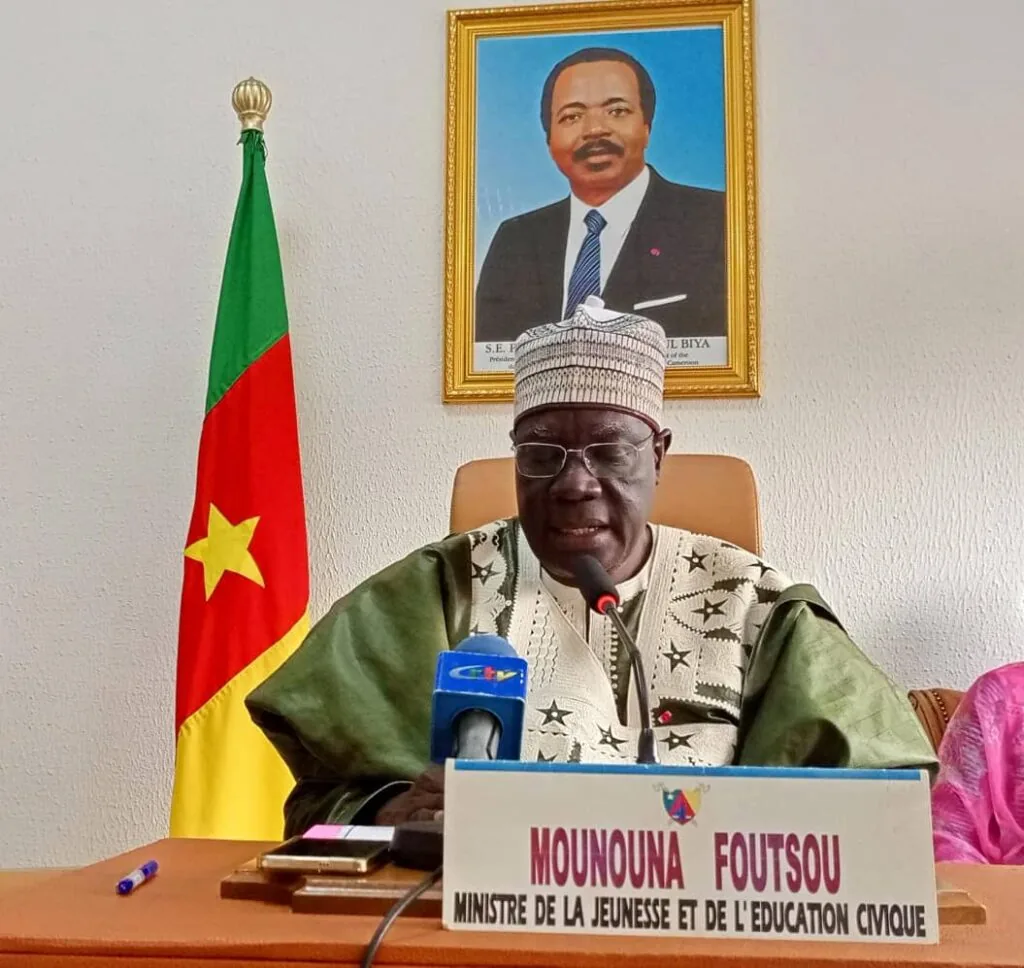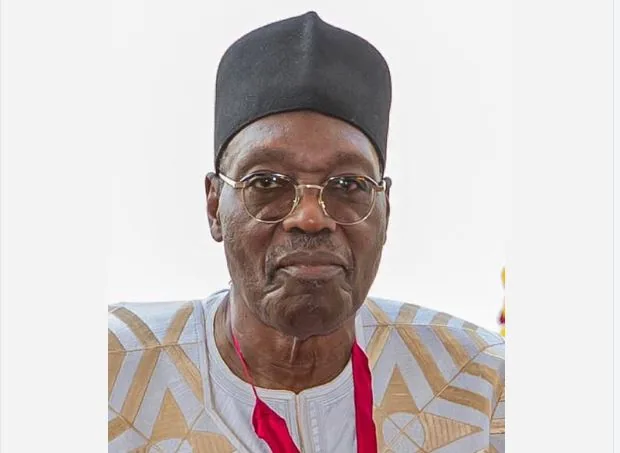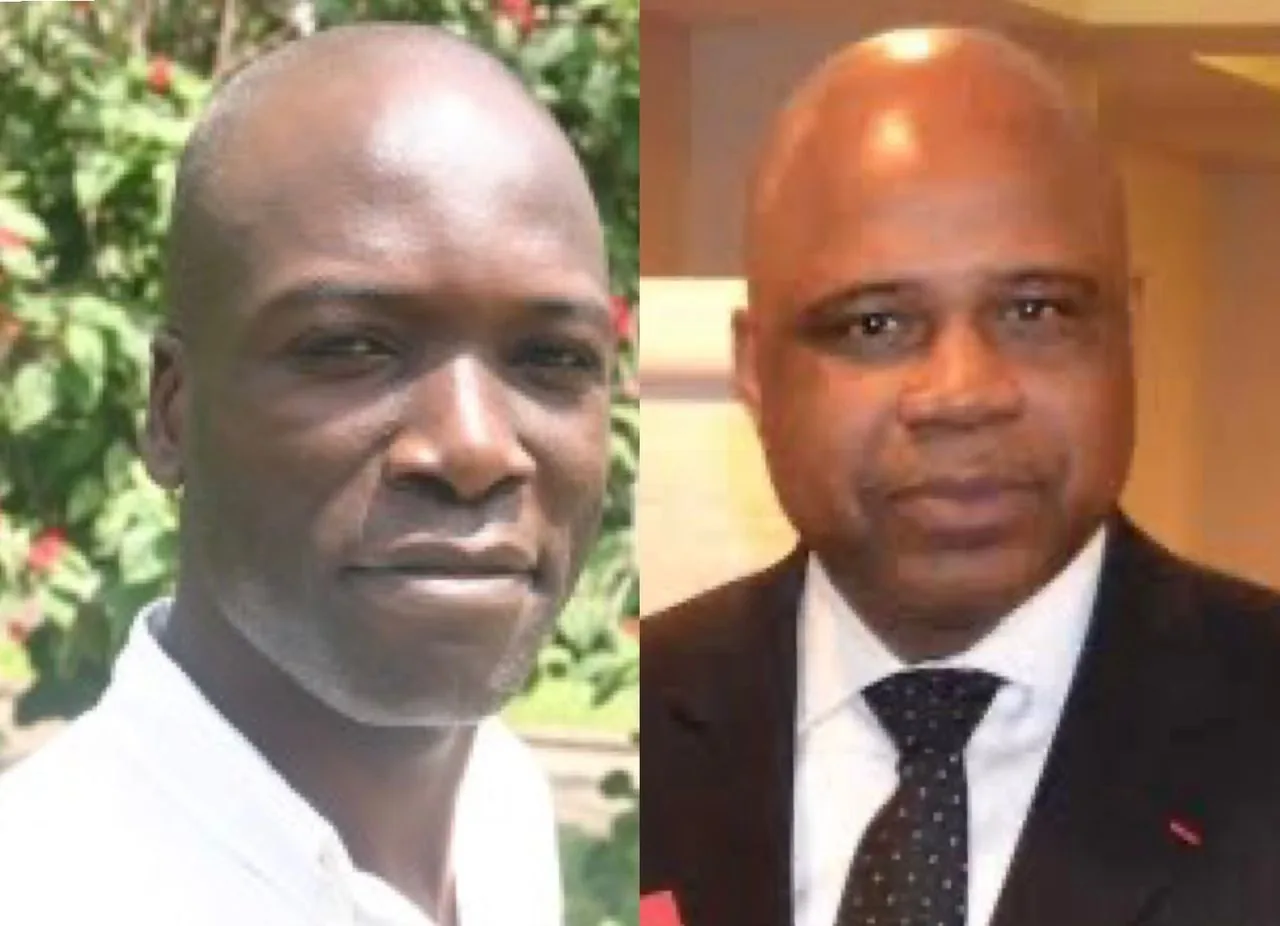
The head-on clash between Jean Baptiste Ketchanteng of MANIDEM and Célestin Bedzigui of PAL.
The debate on political representation in Cameroon is taking an explosive turn. On one side, journalist Jean Baptiste Ketchanteng denounces a “tribalist drift” that he attributes to the ruling party, the Cameroon People’s Democratic Movement (CPDM). On the other, Célestin Bedzigui, a traditional leader and president of the Liberal Alliance Party, advocates for institutional reform based on distinct electoral colleges to protect “native populations” in certain strategic regions.
Read also: Cameroon: a mother kills her three children and takes her own life
Ketchanteng: the refusal of a “tribalist war”
In his response to Bedzigui’s proposals, Ketchanteng adopts a frontal tone. He accuses the CPDM of instrumentalizing ethnic affiliations to offset growing unpopularity as the long cycle opened under Paul Biya, successor to Ahmadou Ahidjo, nears its end.
For the journalist, community voting is neither inherently good nor bad; it becomes toxic when it is “rotten by the corruption of elites.” He contrasts historical solidarities, those that supported Ruben Um Nyobè in his independence struggle, with current communities that he considers weakened, fragmented, and manipulated.
Ketchanteng sees the highlighting of tension between Bamiléké, Beti, or Sawa as a political strategy intended to maintain power, particularly in strongholds like Yaoundé and Douala. He accuses the government of stirring up fear of demographic domination to mask the lack of responses to social priorities: security, employment, health, education.
Bedzigui: framing democracy “Cameroonian style”
Faced with these criticisms, Bedzigui develops a more institutional reflection. Starting from the observation that, in practice, electoral behaviors remain largely structured by community affiliation, he believes that Cameroonian democracy must integrate this reality rather than deny it.
According to him, the rapid urbanization of cities like Yaoundé and Douala has created a demographic imbalance likely to “dilute” the representation of the indigenous populations of the Center and Littoral.
Read also: Academic debt: new phase of payments launched in five state universities
Relying on the preamble of the Constitution which provides for the protection of minorities and indigenous populations, he proposes the creation of two electoral colleges:
a college A, reserved for the native populations of the region;
a college R, bringing together residents from other regions.
The distribution of seats would be asymmetrical: up to 90 % for college A in legislative elections, 80 % in municipal elections, in order to guarantee a qualified majority for the indigenous people while ensuring minority representation for residents.
Bedzigui invokes institutional precedents, notably the election of regional councilors by distinct colleges, to defend the legitimacy of his scheme. In his eyes, this reform would prevent frustrations and conflicts by securing local representation.
Two irreconcilable visions?
Ultimately, the disagreement goes beyond electoral technique. Ketchanteng defends a political citizenship freed from ethnic affiliations, which he associates with an unfinished post-colonial struggle. Bedzigui, for his part, assumes a community reading of the vote and proposes to make it the foundation of a new institutional balance.
Between the denunciation of a dangerous “ethnicization” and the plea for community realism, the debate reveals a deep divide over the very nature of the Cameroonian nation and the paths to its cohesion. The question remains: would the proposed reform be a safeguard against marginalization, or the prelude to an institutionalized fragmentation of the body politic?