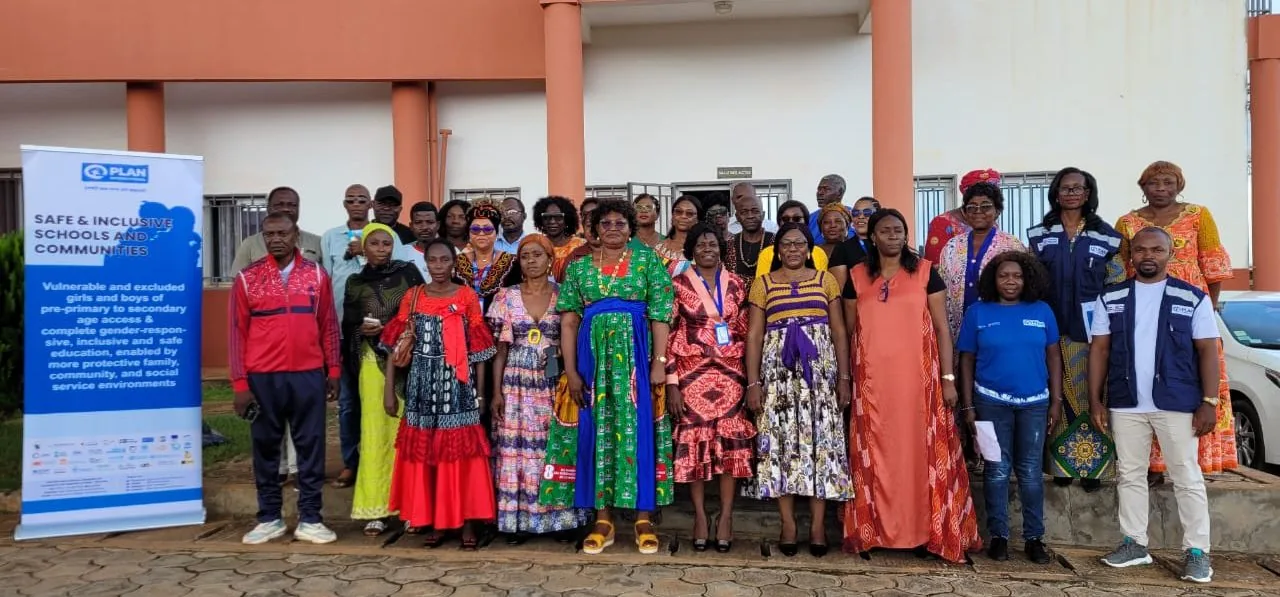
Plan International Cameroon, in partnership with Plan International Canada and the World Food Programme (WFP), has officially launched the School Food Sequencing program based on local production (Home Grown School Feeding – HGSF) to combat school absenteeism and malnutrition in the regions of Adamawa, East, and Centre in Cameroon.
Read more Bar Exam: the President of the Bar denounces acts of fraud and takes a tougher stance
Funded by a total budget of 95,739,804 FCFA, this vital humanitarian initiative targets 17 municipalities, 49 schools, and 24,149 young beneficiaries. By setting up school canteens that serve healthy and nutritious midday meals, the project ensures vulnerable students have the energy and health needed to succeed in their basic education.
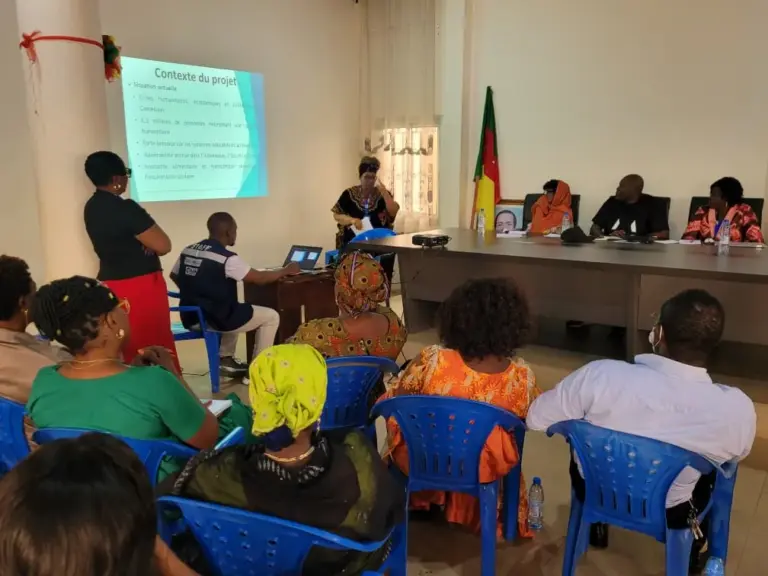
The strategic implementation of the project in the Centre region was highlighted during a high-level coordination meeting held on May 25, 2026, at the Soa town hall, led by Justine Melingui, nutrition specialist at Plan International Cameroon. Presided over by Cyrise Bindzi, Secretary General of the Soa municipality and representative of the mayor, this meeting brought together key authorities in education, nutrition, and the region to ensure secure deployment. In the Soa municipality, the initiative will directly transform four local schools: Akak 1 A and B primary schools, Ebang primary school, and Ebogo 1 primary school, and will continue until December 2026.
From a humanitarian perspective, the HGSF program is an essential lifeline for highly vulnerable children, especially internally displaced persons (IDPs) and young girls. Quinter Fienyoh, director of the Government English Nursery School of Ebang 1, emphasized that many displaced children frequently miss classes due to lack of food, facing stigma and embarrassment. By guaranteeing daily hot meals, the project removes these financial and social barriers, eases the economic burden on displaced families, boosts enrollment in the anglophone subsystem, and advances the global goal of “education for all.”
To ensure long-term operational success and autonomy, the project heavily relies on active community ownership and multisectoral collaboration. School Management Committees (COGES), traditional chiefs, and parents — including “mama cooks” — are responsible for managing the canteens, preparing meals, and maintaining essential infrastructure such as kitchens and water points. This local approach guarantees full transparency, effective resource monitoring, and a sustainable framework that will outlast the initial funding timeline.
Read more Artificial Intelligence: Cameroon Relies on Trusted Data
Simultaneously, the project stimulates local socio-economic development through an innovative model of sourcing local food products. By purchasing foodstuffs directly from small community producers and local agricultural cooperatives, the initiative creates sustainable markets and strengthens regional agricultural value chains. This strategic link protects small producers from market fluctuations, enhances household economic resilience, and promotes the financial empowerment of women, who dominate the local agricultural workforce.
The integration of school gardens and partnerships for livestock further enriches the project’s nutritional impact. These gardens function as living classrooms, teaching young children modern agricultural techniques and fostering a passion for farming from an early age. Additionally, Kang Richard, Soa delegate for the Ministry of Livestock, Fisheries and Animal Industries (MINEPIA), promised that the ministry is ready to provide essential animal proteins such as poultry, eggs, fish, and meat, thus creating a reliable distribution channel for local breeders.
Ultimately, the success of the HGSF project execution relies on a strong network of regional institutional partners. Under the supervision of local mayors, prefects/sub-prefects, and regional delegations of public health, agriculture, and basic education, the project incorporates a rigorous Monitoring, Evaluation, Accountability, and Learning (MEAL) mechanism. Through daily monitoring, weekly quality checks, and integrated municipal budgets, Cameroon is building a replicable multisectoral model that harmonizes immediate humanitarian aid with long-term economic development.