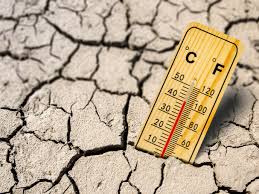
The regional branch of the National Observatory on Climate Change calls on the inhabitants of the region to be vigilant in the face of the intensification of the dry season.
The rise in temperatures day and night, as well as the concentration of dust in the air, are signs of the intensification of the drought in the Far North region of Cameroon. According to forecasts from the National Observatory on Climate Change, some localities in the Mayo-Sava, Mayo-Danay, and Diamare departments could experience maximum temperatures of 40 to 46°C during the day. At night, maximum temperatures could remain between 25 and 30°C, which could lead to numerous consequences.
Read also: Scanning crisis at PAD: GECAM demands immediate normalization
Onacc warns that if these temperatures persist for several days, the conditions will lead to episodes of intense heat in certain localities, including urban areas such as Kousseri, Mora, Yagoua, and Maroua. This situation therefore requires vigilance, as it can cause negative effects on both humans and crops. For people, at a time when Muslim and Christian faithful will soon enter Lent, a period of deprivation, the intensification of the drought can lead to dehydration, heat fatigue, heatstroke, and respiratory problems. For crops, it can lead to water scarcity, degradation of pastures, crop stress, and health risks for livestock.
Read also: Cameroon-AU: Marie Louise Abomo re-elected to the African Commission on Human Rights
The regional branch of Onacc recommends avoiding prolonged exposure to the sun during the hottest hours, adapting daily activities to the cooler periods, and hydrating sufficiently throughout the day and during permitted times during Lent. Another recommendation is to protect vulnerable people and seek medical services in case of malaise. Take precautions to conserve water and pastoral resources.
Read also: Cameroon/ Speech to the youth: the hour of the test of facts