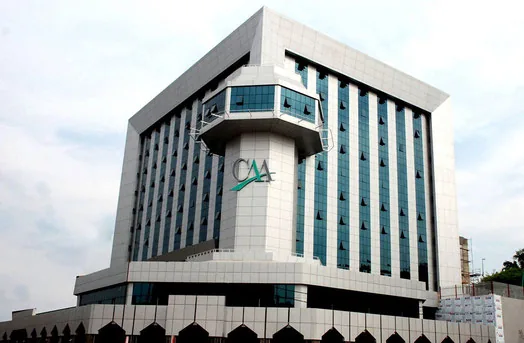
More than 5,107 billion FCFA in external financing is “dormant” in Cameroon in the form of Committed Unpaid Balances, according to the CAA. In 2025 alone, the State paid more than 4 billion FCFA in commitment fees on these unused sums, while the operating budget is exhausted within a few months.
The paradox is striking. While operating credits dwindle at the start of the fiscal year, the Cameroonian state lets thousands of billions intended for investment lie idle. According to the Autonomous Amortization Fund, 5,107 billion FCFA are currently blocked as SEND.
Read more Cameroon: the government inaugurates the bridge over the Nyong River in Malombo
This figure reveals a two-speed public spending chain. Operating expenses run out quickly because procedures are short: purchases, missions, workshops, allowances. Money goes out quickly, based on internal resources, without external validation.
On the other hand, investment financed by donors is bogged down. The CAA points to four major obstacles. First, the under-maturation of projects: contracts are signed before the end of technical studies or payment of compensations. Next, the absence of counterpart funds from the State which blocks the disbursement of subsequent tranches. Added to this are the delays in public procurement, with validations taking months between ministries and commissions. Finally, the double regulatory requirement: the Cameroonian Public Procurement Code often conflicts with the rules of technical and financial partners.
The cost of this immobilization is heavy. Not only do the expected infrastructures – roads, energy, hospitals – not materialize, but the Treasury pays for nothing. In 2025, the outstanding SEND, estimated between 5,000 and 5,107 billion FCFA, generated more than 4 billion FCFA in commitment fees, money that goes out without productive counterpart and increases the debt.
Read more Cameroon: an adult killed and a teenager kidnapped during an attack
To reverse the trend, experts recommend three urgent actions: only sign a loan if the project is fully mature, digitize procurement procedures to gain speed, and frame the operating budget with a stricter schedule to avoid early depletion of funds.
Without these reforms, the billions will continue to sleep, and the emergence goal will remain stalled.