Pump price hikes, salary revaluations, and global oil risk: Cameroon’s budget balance remains under high tension.
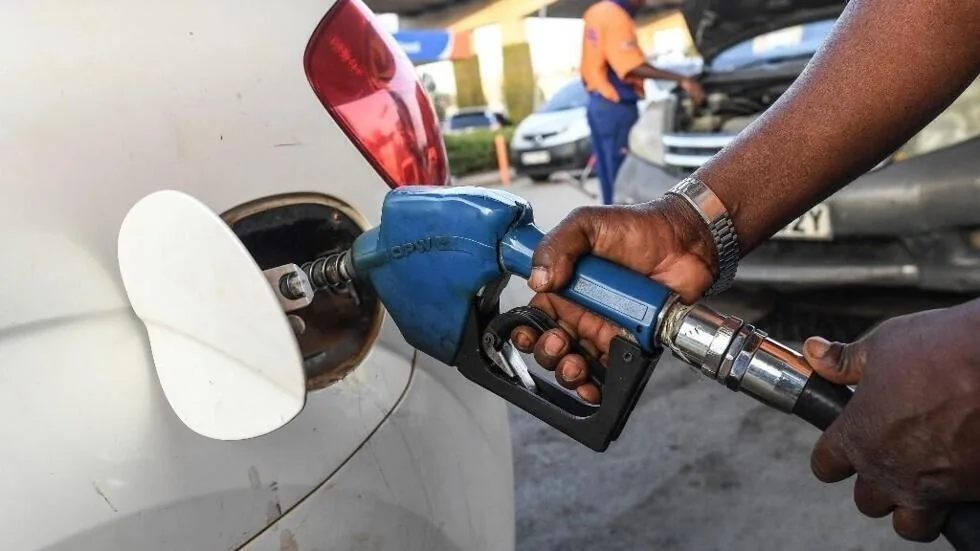
The fuel subsidy bill has emerged as one of the main sources of tension on Cameroon’s public finances. According to the Ministry of Finance of Cameroon, “the amount of the subsidy dedicated to fuel pump prices has sharply increased,” reaching 460 billion FCFA in 2023. A drift that the State has tried to contain through sensitive decisions, combining budgetary rigor and social measures.
Read more The Ambassador of Algeria received in audience at the National Assembly of Cameroon
First lever activated: the increase in pump prices. On February 1, 2023, the price of a liter of super gasoline rose from 630 to 730 CFA francs, while diesel climbed from 575 to 720 francs. A difficult decision, but deemed necessary to ease pressure on public accounts. To mitigate its impact, the government accompanied this measure with support for purchasing power. “Public sector salaries were revalued by an average of 5.2% and the SMIG (minimum wage) raised to 41,875 francs,” the ministry stated.
The strategy was renewed a year later. On February 3, 2024, a new increase occurred: super gasoline now reaches 840 francs per liter, compared to 730 previously, and diesel 828 francs compared to 720. Again, social adjustments followed, with an additional revaluation of public salaries (+5.0%) and family allowances. A delicate balance between budgetary imperative and social stability.
But the equation could become more complicated due to geopolitical tensions. “The Iranian conflict could produce similar effects on public finances,” warns the Ministry of Finance. If oil prices remain around 100 dollars per barrel in 2026, additional oil revenues estimated at approximately 180 billion FCFA would offer a relative respite.
Read more China donates food valued at 1.6 billion FCFA to Cameroon
However, this relief is misleading. In parallel, fuel subsidies would increase even more rapidly, under the combined effect of imported volumes and logistical costs (maritime freight, distribution). In other words, every rise in international prices further burdens the energy bill more than it enriches the State’s coffers.
This structural imbalance highlights the persistent vulnerability of Cameroon’s energy model. Between import dependence and social pressure, budgetary room for maneuver is shrinking. For Yaoundé, exiting this impasse will inevitably require a deeper reform of the sector, lest oil continue to dictate, according to crises, the pace of public finances.