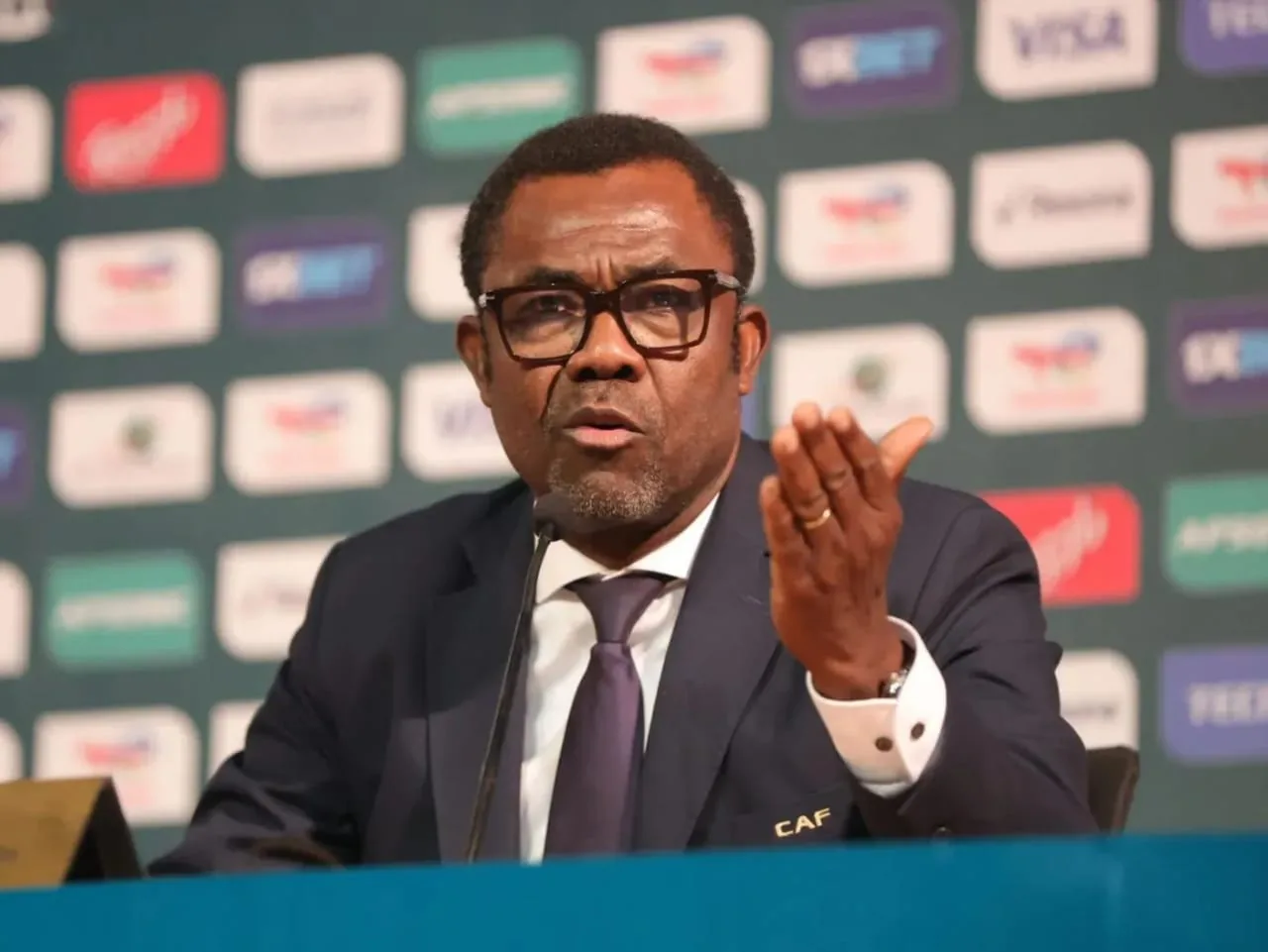
After several years at the head of the administration of the Confederation of African Football, Véron Mosengo-Omba has left his post, leaving behind a record of ambitious reforms, but also tensions and controversies. A look back in seven points at a mandate that left no one indifferent.
Arriving in 2021 at the strategic post of Secretary General of CAF, Véron Mosengo-Omba quickly established himself as a central player in the transformation of the pan-African body. His first major project was administrative reform. He set out to modernize internal management, introducing standards inspired by international best practices.
Second highlight: the restructuring of interclub competitions. Under his leadership, the Champions League and the CAF Cup underwent adjustments aimed at strengthening their attractiveness and credibility on the world stage.
On the financial front, Mosengo-Omba contributed to the increase in prize money for the Africa Cup of Nations. This measure increased the income of federations and strengthened interest in the continent’s flagship competition.
Another key point was his role as a bridge to the Fédération Internationale de Football Association. Drawing on his experience within the world body, he facilitated closer cooperation between CAF and FIFA, particularly in development projects.
However, his mandate was not without difficulties. He had to manage several organizational crises, between competition postponements and logistical constraints, in a sometimes unstable context.
Furthermore, internal tensions gradually emerged. Criticism of his governance and disagreements with certain members of the Executive Committee weakened his position over time.
Finally, controversies surrounding certain strategic decisions, particularly those related to upcoming major competitions, contributed to a tense climate within the organization.
Ultimately, Véron Mosengo-Omba’s time at CAF will remain that of a reforming but contested leader, whose actions deeply marked the institution without managing to achieve unanimity.
Read more Iran’s control of the Strait of Hormuz is a «legitimate right» (Iranian Foreign Ministry)