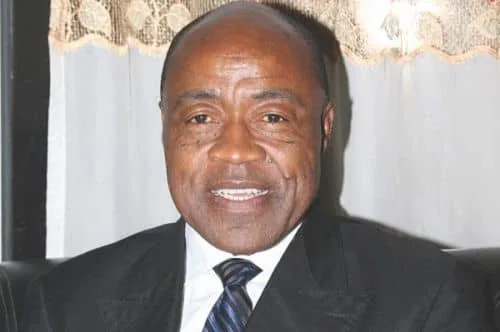
The collective known as “Mémoire 60” sharply criticizes an op-ed by History Professor Daniel Abwa.
In an op-ed published on February 7, 2017, in the public daily Cameroon Tribune, the late historian Daniel Abwa described the Anglophone crisis as a “paradox”: Cameroonians proud of independence and reunification were simultaneously claiming cultural dependence on former colonizers. For him, elites with “oversized egos” were fueling this tension, whereas the coexistence of heritages should make the country a laboratory for Pan-Africanism. He nevertheless admitted flaws: incomplete bilingualism, absence of a “bilingual spirit,” and inequalities between English and French.
Read more Savana Finance wants to secure 150 billion in investment from the diaspora in five years
The Mémoire 60 Collective disputes this reading. According to them, the crisis is rooted in an unfinished decolonization and the exclusion of nationalist forces from independence negotiations. While Abwa recalls that the Union of the Peoples of Cameroon (UPC) “truly fought” for independence, he eludes, according to the Collective, the reasons for its removal in favor of Ahmadou Ahidjo, endorsed by France.
The war against the maquis, electoral fraud, and the marginalization of nationalists weighed on the birth of the post-colonial state, immediately weakening the unity sought on both sides of the Moungo.
Another point of contention: the supposed existence of a decree from the 1990s by which Paul Biya allegedly elevated to the rank of national heroes the proponents of “two antagonistic prides”—on one side, figures who fell for independence, and on the other, supporters of close cooperation with the former colonial power.
Read more Higher Education: 245 billion FCFA to transform the university offer in Bertoua, Ebolowa and Garoua
For the Collective, this decree does not exist. They consider it impossible to place on the same level martyrs like Ruben Um Nyobè, Félix Moumié, or Ernest Ouandié, who died violent deaths, and leaders who died in their beds. The presidential reference to “founding fathers” who “shed their blood” is, according to them, more of a political gesture than a clarified act of remembrance.
The Collective also criticizes the analysis of the Foumban negotiations (1961). They recall that Anglophone leaders, including John Ngu Foncha, had initially supported the unionist project in connection with the nationalists. Their rallying to Ahidjo, under Franco-British aegis, allegedly transformed a democratic ideal into a sharing of posts, sealing the integration of Southern Cameroons into a system soon dominated by the single party (1966). This “original betrayal” still weighs on current resentment.
Finally, the “K” in Kamerun, defended by the nationalists, does not refer to the German period but to a political idea of unity, inscribed in the history of parties and petitions since 1919.
To break the deadlock, the Mémoire 60 Collective proposes a double conference in Buea and Foumban leading to a historical memorandum, popular education programs, and a new Constitution with the objective of restoring a shared memory and refounding a unified, democratic, and reconciled Kamerun.
Read more Aigle Royal du Moungo : the club threatens Samuel Eto’o’s lawyer with legal action