Deployed under the aegis of UNFPA and FAO, the first Independent Monitoring Mission of the dual Cameroonian census praises an innovative organization, while pointing out logistical challenges that could weigh on the field.
Launched on April 24, 2025, the 4th General Population and Housing Census (RGPH), coupled with the General Agriculture and Livestock Census (RGAE), marks a methodological break in Cameroon. For the first time, the operation relies entirely on digital tools, from tablets to satellite mapping systems, in a logic of pooling demographic and agricultural data.
Read more Cameroon celebrates its 54th National Day under the sign of unity
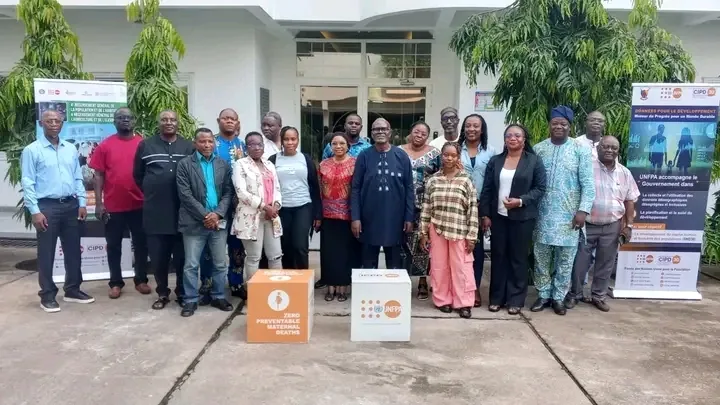
In order to strengthen the credibility of the process, the authorities opened the operations to an Independent Monitoring Mission coordinated by UNFPA and FAO. Experts from the DRC, Nigeria, Benin, and Ivory Coast made a first visit on May 19, 2026, in the Littoral, Centre, South, and East regions.
In the Kadey department, in Batouri, the mission evaluated the effectiveness of satellite block mapping and digital cartography. Teams observed execution rates ranging between 85% and 90% in several localities. In Ngoulemakong, in the South, the investigators impressed with their ability to conduct interviews in local languages, a factor considered decisive for the population’s adherence.
Read more IRIC: successful finale for the Fulbright program “Law for Economic Development”
The experts praise a “well-calibrated” operation, while highlighting the logistical burden of a census of this scale. Delays in payment of some agents, difficulties in recharging terminals in remote areas, and insufficient equipment adapted to bad weather are among the main challenges noted. Adjustments are, however, underway to preserve the quality of the expected data, essential for guiding future public policies.
Read more Tourism: MINTOUL focuses on digital to sell the Cameroon Destination