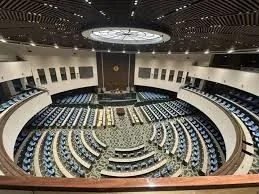
On March 10, 2026, deputies and senators return to the chambers for the start of a highly anticipated parliamentary session, as current events on important subjects concerning the life of institutions raise questions.
Ears and minds are already turned towards the National Assembly and the Senate where the first ordinary session of the legislative year opens on Tuesday, March 10, 2026, at 11 a.m. and 4 p.m. respectively. The calendar of parliamentary sessions provided for by the texts in force does not give this session any particularity compared to previous ones held in March. However, in the news surrounding the life of the Republic’s institutions, three subjects are drawing attention. They fuel questions within public opinion, making this parliamentary session one of the most anticipated.
First, news relating to the political life of the nation highlights the upcoming legislative and municipal elections expected since the end of 2025, the postponement of which the Head of State announced last February. With the extended mandate of deputies ending on March 30 and that of municipal councillors on May 31, it is up to the deputies themselves to adopt a law to extend their mandate. The subsequent presidential decree extending the mandate of municipal councillors will take into account the deadlines of this law to ultimately harmonize the election date when the time comes. On the eve of the opening of the session, the question regarding the date of the elections remains. Just like the one concerning the revision of the constitution, rumors of which are already widespread.
Next, during these last few weeks, the prospective news linked to a new revision of the Constitution of January 18, 1996, has been fueling debates, as it raises many questions. For what non-opportunistic reason will the fundamental law be revised? Why is revision by parliamentary means preferred over revision by referendum? What will change? These are among the questions that remain unanswered. While waiting for the text to be submitted to parliament and brought to public attention, some unauthenticated elements are already leaking. The new Constitution would create the post of Vice-President of the Republic and organize the country into two major cultural zones. It remains to be determined whether the modification will lead to a new administrative division.
Finally, a new administrative division announced following the October 2026 presidential election is still awaited in Cameroon. The expectation arising from the instructions given to the heads of administrative units by the Minister of Territorial Administration, Paul Atanga Nji, also raises questions. For example, how many regions will Cameroon have, how many departments or districts? Some answers could then be contained in the possible constitutional revision. Answers that could also influence the organization of the next legislative and municipal elections. The alignment of seats with the new constituencies will be necessary.
In short, announced as rather laborious for parliamentarians and decisive for the new seven-year term, the March 2026 session would not give full importance to the renewal of the bureaus. The age bureaus of the two chambers, after the opening of the session, will promptly lead to either the reappointment of the same personalities or the replacement of those who have passed away. They will thus make way for the voting of laws and undoubtedly for the oversight of government action.
Read more Cameroon/ post-electoral arrests and detentions: the response of ‘muzzled’ opposition officials