Africa is facing a critical infrastructure financing deficit amid declining official development assistance, said Lerato Dorothy Mataboge, African Union (AU) Commissioner for Infrastructure and Energy.
Read also: Cameroon/Waste Management: Douala relies on a grassroots organization
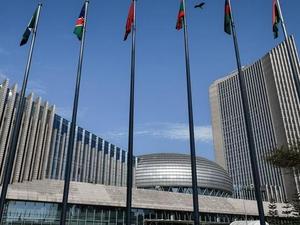
At a press conference held Wednesday on the sidelines of the 48th ordinary session of the AU Executive Council currently underway at its headquarters in Addis Ababa, the capital of Ethiopia, Ms. Mataboge called on African countries to strengthen the mobilization of domestic resources to bridge the financing gap and support the continent’s infrastructure development.
“We are seeing that capital is more expensive globally, and even more so on the African continent, and our development aid is declining,” she said. “Africa must unlock its domestic resources, including pension funds, to meet its fundamental infrastructure needs.”
The financing deficit has not only affected infrastructure development across the continent, but it has also hampered the continent’s growth and slowed down the competitiveness and trade among AU members, Ms. Mataboge noted.
According to the AU, Africa’s infrastructure needs are estimated at between $130 billion and $170 billion per year, and the financing gap costs the continent an annual reduction of 2% in its gross domestic product growth.
Read also: Dr. Fouapon Alassa: “For a culture of merit, integrity, and performance”
The commissioner called for the adoption of innovative financing solutions through the mobilization of domestic resources, the strengthening of African multilateral institutions, and effective negotiation with international partners to leverage its resources and finance infrastructure development projects.
“This is about strengthening our capacity to negotiate better with our partners so that our infrastructure projects rely on local content, local skills, and local products. Whether it’s steel or cement, this will provide the necessary infrastructure for the continent,” she said.
Financing has been a major challenge for infrastructure development in Africa, and many African countries are in a difficult financial situation, Ms. Mataboge noted.
“Many African countries are unable to leverage their domestic resources for infrastructure development, and international loans are expensive. In addition, many countries have a poor credit rating, which means the cost of borrowing is much higher for them on financial markets,” she added.
Read also: Legislative 2026: Pierre Emmanuel Binyam announces the first candidacy of the MRC
Xinhua