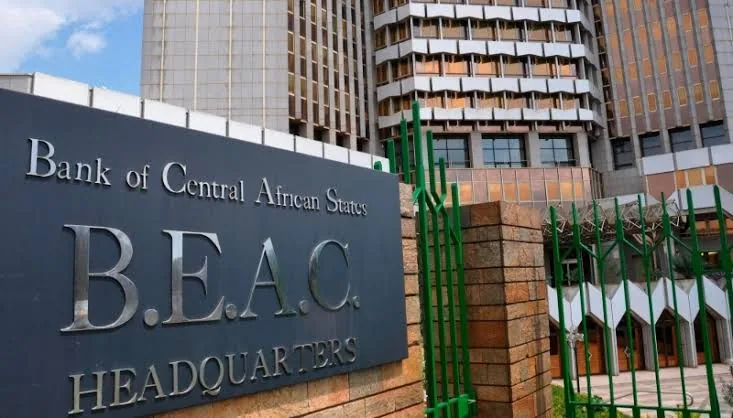
Faced with persistent vulnerabilities, the PREF-CEMAC steering committee calls for tougher measures to strengthen budgetary discipline, secure foreign exchange reserves, and stabilize the banking system.
The sixth extraordinary session of PREF-CEMAC marks a more proactive turning point. In N’Djamena, regional leaders adopted a series of recommendations aimed at accelerating reforms deemed critical for the financial stability of the sub-region.
Among the priorities is the generalization of the Single Treasury Account (CUT), intended to improve public finance management. States are invited to inventory all their accounts and set a strict centralization schedule, in coordination with the BEAC.
Another key area: reducing public debt. The committee stresses the need to intensify the clearance of domestic debt and improve budget transparency, notably through migration to international standards of the TOFE (MSFP 2014).
The issue of repatriation of foreign currency is also at the heart of concerns. The COPIL recommends tougher sanctions against companies, especially extractive ones, that do not comply with their obligations. The goal is clear: to rebuild foreign exchange reserves weakened in recent years.
On the banking front, authorities intend to limit banks’ exposure to sovereign debt while accelerating the restructuring of fragile institutions, particularly those with public capital. A reform of the legal framework is also envisaged, with the development of a single banking law at the community level.
Ahead of the IMF and World Bank Spring Meetings, CEMAC wants to send a signal of credibility. It remains to be seen whether these commitments will be followed through in a region still facing strong structural resistance.
Read more Cameroon: Minesec readjusts the schedule of educational activities